
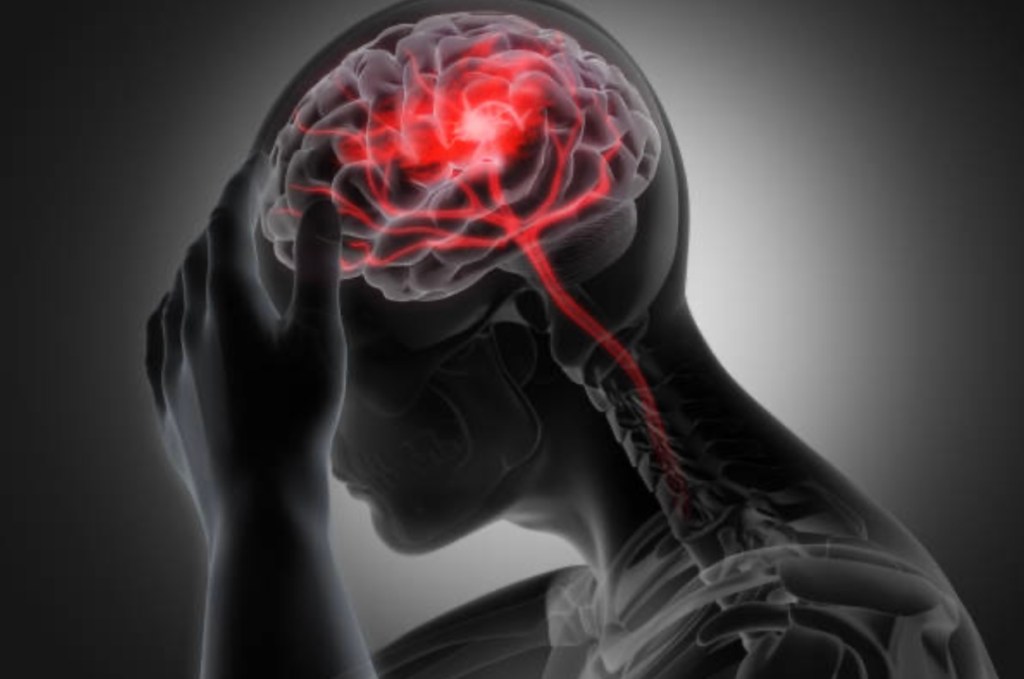
Victims often hit their heads in a number of ways during a car crash. Pain and symptoms can last for months. It is important to know these symptoms and seek medical help as soon as possible from a trained expert.
Our advanced technology plays a crucial role in providing expert diagnosis and evaluating the extent of traumatic brain injury (TBI). By harnessing the same state-of-the-art technology used in the Olympics, we are able to accurately assess the severity of TBI and offer the most effective recommendations for treatment.
When it comes to TBI, having an accurate diagnosis is paramount. Our advanced technology enables us to analyze various factors, such as the impact force, location of the injury, and specific symptoms, to determine the extent of the injury. This comprehensive evaluation ensures that medical professionals have a clear understanding of the TBI, which is essential for creating personalized treatment plans.
With our cutting-edge technology, we can provide not only accurate diagnoses but also precise recommendations for treatment. Every TBI case is unique, and treatment protocols should be tailored to individual needs. By taking into account the specific characteristics of the injury, our technology enables medical experts to recommend the most suitable course of action, whether it be medication, therapy, or other interventions.
Furthermore, our technology assists in monitoring the progression of TBI over time. Regular follow-up evaluations are essential to track the patient’s recovery, and our advanced tools streamline this process. By continuously assessing the injury and its impact on the patient, we can adapt and optimize the treatment plan, ensuring the best possible outcome.
In summary, our advanced technology utilizes the same cutting-edge methods used in the Olympics to provide expert diagnoses and recommendations for the treatment of traumatic brain injuries. By analyzing a range of factors and continuously monitoring the progress, we strive to empower medical professionals with the information they need to achieve optimal outcomes for patients with TBI.
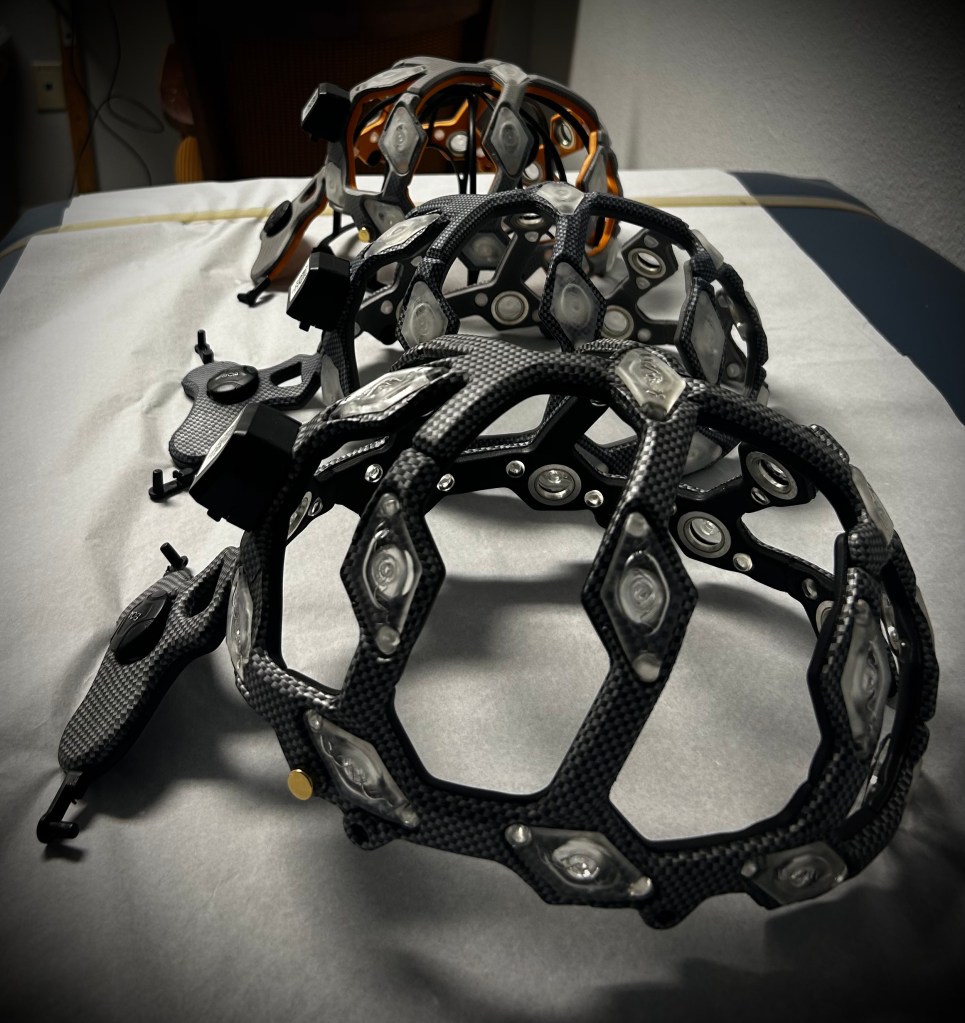
Understanding the symptoms of a Traumatic Brain Injury (TBI) is crucial for patients as it empowers them to identify potential signs and take prompt action to seek the necessary medical help. A TBI can occur as a result of a bump, blow, or jolt to the head, causing disruption to normal brain function. The symptoms of a TBI can vary depending on the severity of the injury and the part of the brain affected. Common symptoms include headaches, dizziness, difficulty with coordination and balance, confusion, memory problems, changes in behavior or mood, sensitivity to light or noise, and sleep disturbances. By recognizing these symptoms, patients can promptly consult medical professionals who can diagnose the TBI, provide appropriate treatment, and offer guidance for a successful recovery. It is vital for individuals who have experienced any head injury or suspect a TBI to seek medical attention without delay, as early intervention can greatly improve the prognosis and long-term outcome.
 HOME
HOME 